Oil and gas operations demand dependable equipment, clear procedures, and teams that recognise quality risks before they affect production. Wellhead and tree equipment faces intense pressure, making technical knowledge essential across every department.
API 6A training in Dubai helps professionals strengthen their grasp of industry standards, improve teamwork, and support consistent equipment quality throughout demanding operations.
Know the scope of API 6A
Every team member should understand the purpose and scope of API Specification 6A. The standard covers wellhead and Christmas tree equipment used in oil and gas production. Teams should review equipment classifications, pressure ratings, temperature classes, material requirements, and product specifications.
Shared knowledge gives engineers, inspectors, and quality personnel a common technical reference during daily operations.
Review equipment design and specifications
Design knowledge helps teams recognise how equipment performs under demanding operating conditions. Training should cover valve bodies, connectors, flanges, outlets, and pressure containing components. Participants should examine drawings, dimensional requirements, and material specifications.
Group discussions around real equipment examples help departments recognise design differences and identify details that deserve attention during technical reviews and procurement activities.
Strengthen material selection knowledge
Material selection directly affects equipment reliability, corrosion resistance, and service life. Teams should study material classes, temperature ratings, pressure requirements, and suitable manufacturing processes.
Training also explains how material certificates support traceability and quality checks. Procurement staff, engineers, and inspectors benefit when they share clear knowledge of material requirements before production or equipment acceptance begins.
Master inspection and testing procedures
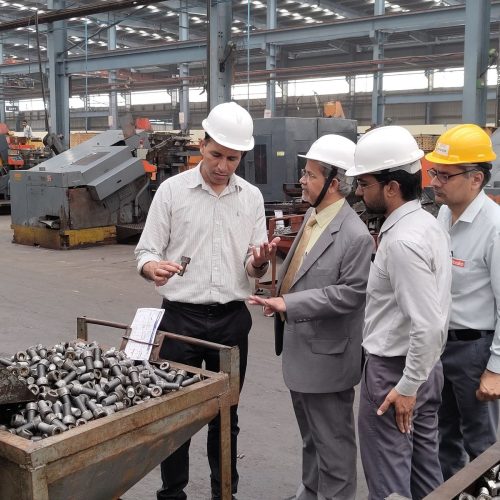
Inspection skills help teams detect defects before equipment enters service. The checklist should include visual examination, dimensional checks, pressure testing, marking verification, and documentation review.
Participants should learn how acceptance criteria guide inspection decisions and how accurate records support product traceability. Practical exercises also help team members recognise nonconformities and report findings with clear technical evidence.
Improve quality control across departments
Consistent quality requires effective communication between engineering, manufacturing, procurement, and inspection teams. Training should explain document control, production records, welding requirements, and nonconformance reporting.
Each department should understand its responsibilities and share relevant information promptly. Regular team reviews help identify gaps, resolve technical questions, and maintain consistent quality expectations throughout production activities.
Classroom lessons gain greater value when participants apply technical concepts to realistic situations. Trainers can use sample specifications, inspection reports, equipment drawings, and case studies. Team exercises encourage discussion and test how participants interpret API 6A requirements. Short knowledge checks also reveal topics that deserve additional revision before employees return to their regular duties.